

 editor
 Being outside offers numerous mental and overall health benefits. It can also be a lot of fun. However, the outdoors can be hazardous if proper preparations are not made to deal with the environment. There is often a lot that goes into a good, safe outdoor adventure.
The essentials are a great starting point and are usually easily acquired. This can range from clothing to over-the-counter medication to small tools.
Essential Gear for Urban and Wilderness Adventures
Here are seven essential gear recommendations for most outdoor adventures. Every outing is different, so these items serve as the building blocks to have on hand and adjust as needed.
1. Good Footwear
Protecting the foot is absolutely necessary when it comes to outdoor adventures. There is a lot of walking involved, and there are a lot of things like rocks or even broken glass that can cause foot injuries. Given how much dirt and bacteria feet are exposed to, they run a higher risk of infection and damage in the outdoors.
Boots are a great way to ensure there is enough foot protection available for those long walks and hikes. Keep in mind, many boots need to be broken in (worn for some time) for the best results. Boots also provide ankle support, helping to prevent ankle injuries that will impact how quickly someone can travel on foot.
2. Weather Appropriate Clothing
Hypothermia is a significant risk when engaging in outdoor activities. Wearing appropriate clothing can be a matter of life or death, especially depending on the season. Exposure is an overlooked risk that many hikers take for granted when they are used to hiking short, well-traveled trails.
Water-resistant outfits work for warm and cool outings. Warm clothing, hats, and gloves are better for cool and cold weather. Either should be a part of the packing list, depending on the area. Being able to put on a rain-resistant layer or being able to add a warming layer can be the difference between a good story and a tragedy.
3. A Durable Multi-tool
A good knife is indispensable in the outdoors, but not every location allows for knives. Multi-tools are one of the better alternatives to a good knife and can be used to supplement a knife with their additional functions.
Some multi-tools can feature one or more knife blades or none at all. Finding the right multi-tool can be fun and will make any outdoor outing easier, whether it’s an urban or wilderness adventure. Things like pliers, screwdrivers, and wrenches can all be found in smaller multi-tool formats. Multi-tools do not take up a lot of space and are only limited by the ingenuity of the user.
4. A Secondary Light Source
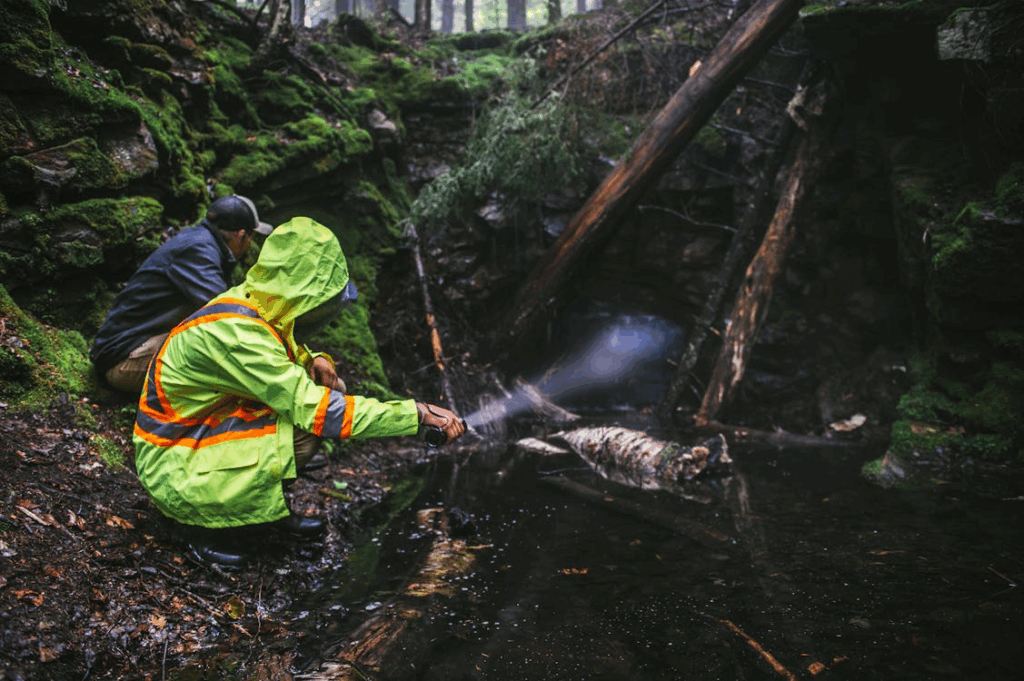
The average person has their cell phone within arm’s reach most days. But a lot of life involves nighttime and areas where there’s not a lot of ambient light. While the flashlight on a cellphone is convenient, it raises the battery use of the phone. Having a dead phone doesn’t help anyone, so a secondary means of light should be carried.
Read: How to Choose the Right Restaurant for Any Occasion
A simple flashlight or two will make a world of difference when it comes to navigating outside. They allow for moving around at night, exploring interesting locations, and can even be used to signal for help in emergencies.
5. Minor Medical Gear
While something like a trauma kit and a tourniquet are good things to have, they are not always a fit for some people’s adventure style. Not because they’re not useful but because of the level of training needed to use them effectively.
Most individuals will experience minor scrapes or cuts, and these can get infected more easily when out in nature. An infected cut can be painful or life-threatening depending on the situation. Minor medical gear can help prevent infections and keep wounds clean.
6. Allergy Medicines and Bug Repellant
The outside is not liked by everyone’s body. Sensitivity to pollen and other allergens is present in 1 in 3 adults. Additionally, there are a number of insect-borne diseases. This makes having allergy medicine and bug repellent more than an aspect of quality of life, but potentially a life-saving addition.
Travel-sized allergy medicines, chemical repellents, and personal bug nets can all easily fit in a backpack or bag.
7. Matches/Lighters
While there are multiple ways to cook food for the modern camper, many of those options still need a match or a lighter to get started. From a small gas stove to a campfire to a fuel tablet, each needs that initial spark.
Matches and lighters are the most easily packed and used items to make fire. This allows for cooking, warmth, and cleaning when out in the wilderness. There’s less of a learning curve needed to use them compared to something like primitive fire methods or a ferro rod. This ease matters when regular amenities are unavailable.
Be Ready For An Outdoor Adventure!
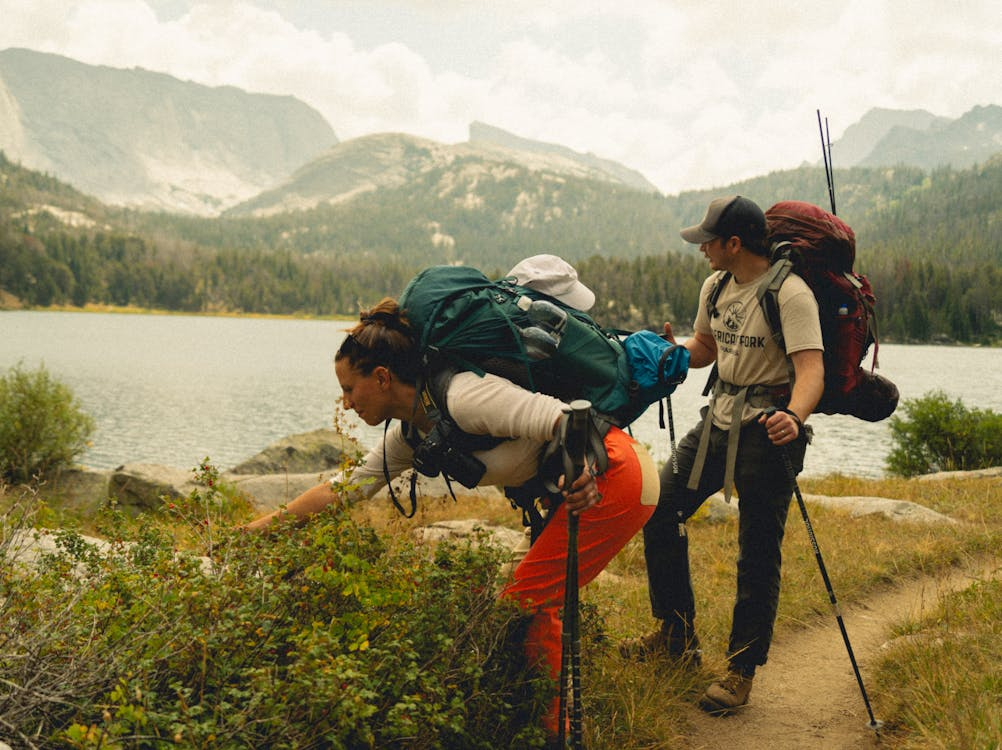
Once the packing list has been finished and a destination selected, exploring the outdoors is easy. Whether it’s a trip to a local park or camping trips hours away. The basic preparations are largely similar.
When it comes to food, make sure to account for how much water or food will be used in a day and scale it up from there when it comes to longer adventures. Any additional preparations can be something like a trauma kit for a vehicle, basic toiletries, and a tent.
Finally, there are always ways to get what is needed at affordable prices. For example, army surplus boots are a great way to have good-quality boots, while other surplus options can be used for clothing and medical gear.